

The DWHC focus species of 2026 are the wild rabbit and hare. This means we’re devoting extra attention to researching these species this year. We hope to study more of these animals to gain a clear overview of the diseases circulating among wild rabbits and hares in the Netherlands. Several diseases occur in both species, including myxomatosis and tularemia.
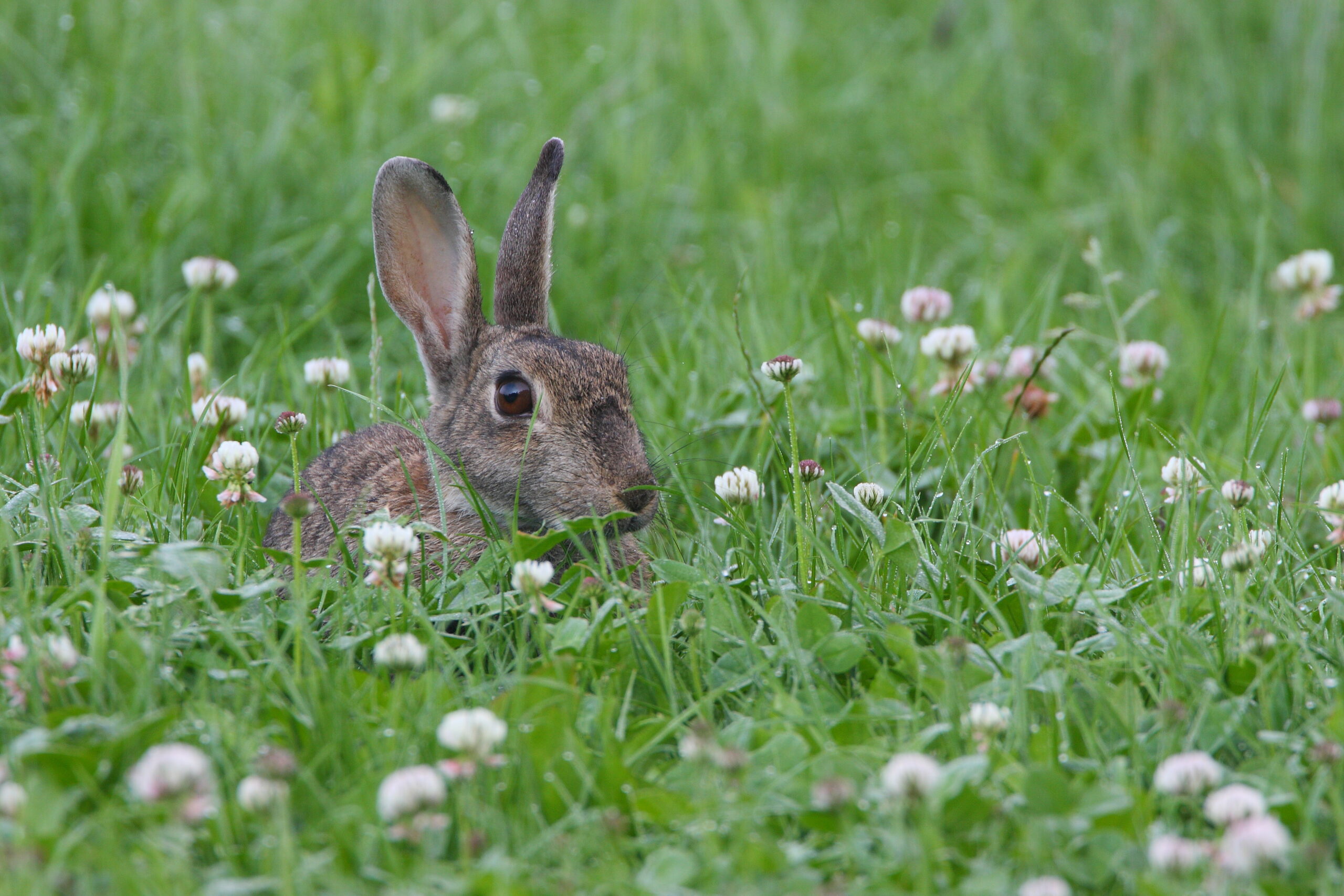
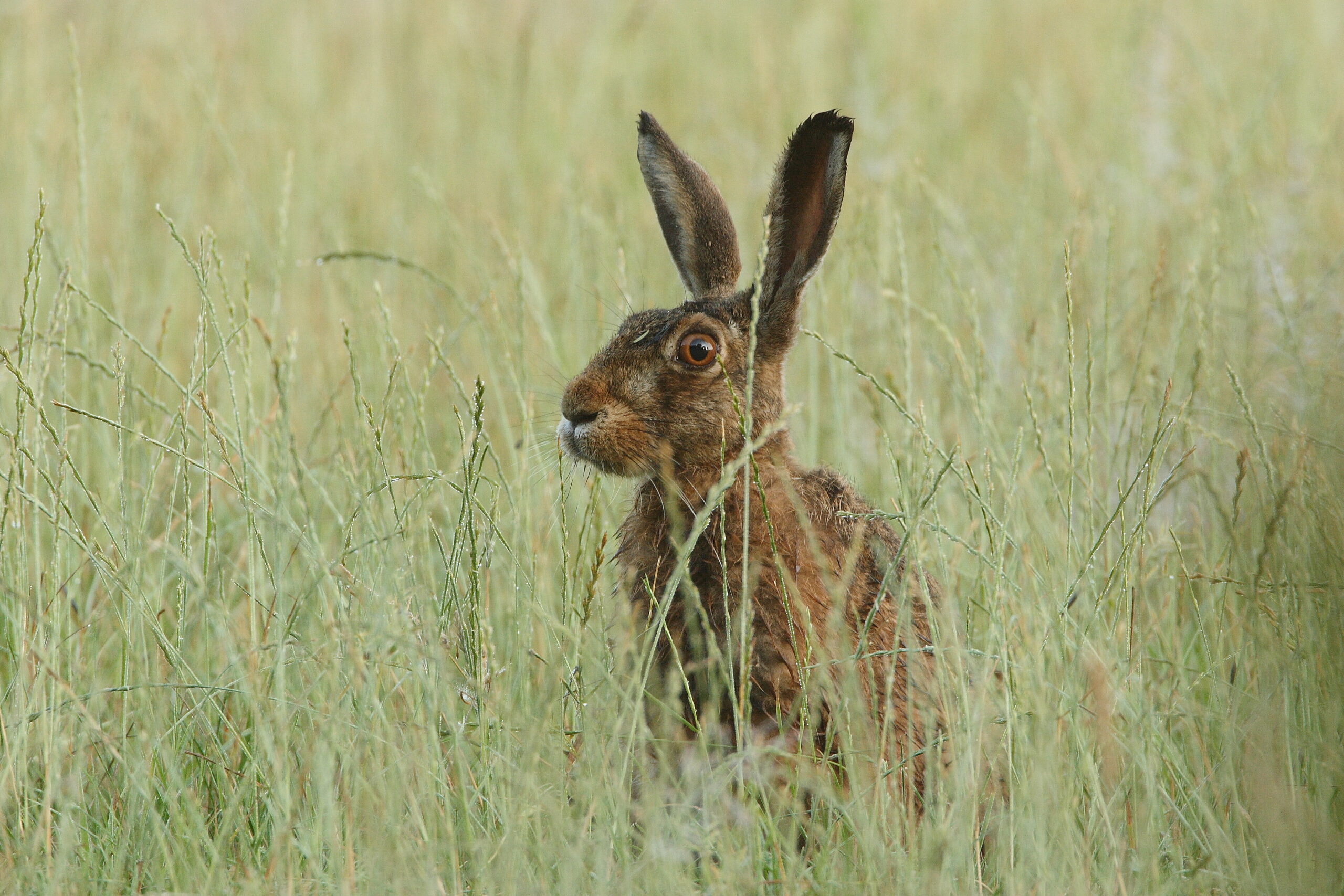
Over the past two years, the new variant of myxomatosis (Ha-MYXV) has caused many deaths among hares in the Netherlands. Further research is needed to fully understand the current outbreak. Not only hares, but also rabbits can become infercted with the new myxomatosis variant (Ha-MYXV).
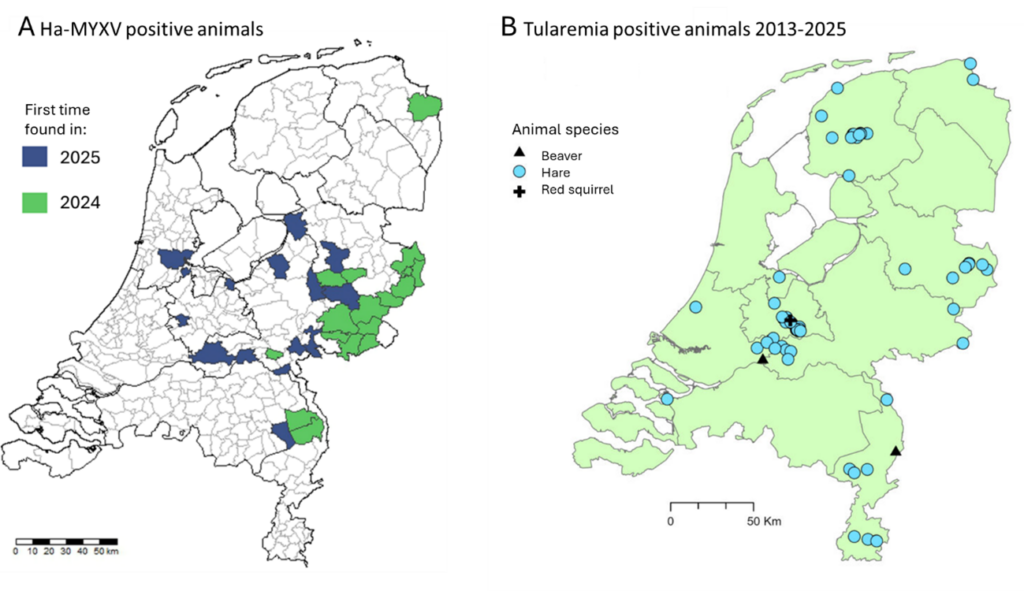
Tularemia is a zoonosis and can be transmitted from animals to humans. Pets., such as dogs, can also become infected with tularemia by picking up or eating dead hares. Myxomatosis and tularemia have been found in several areas in the Netherlands (see figure 1a en 1b). We are particularly interested to study the focus species in areas where the diseases have not (yet) been confirmed.
Dead wild animals can be reported using our online form. All reports are valuable, even if we cannot collect the animal for post mortem investigation. Please note: if you find a dead animal that you want to collected for post mortem investigation, it is important that the animal is double-wrapped in plastic, but not touched with bare hands. Read more about how to safely and hygienically package carcasses here.